English
  한국어
한국어  français
  Deutsch
  Español
  português
  العربية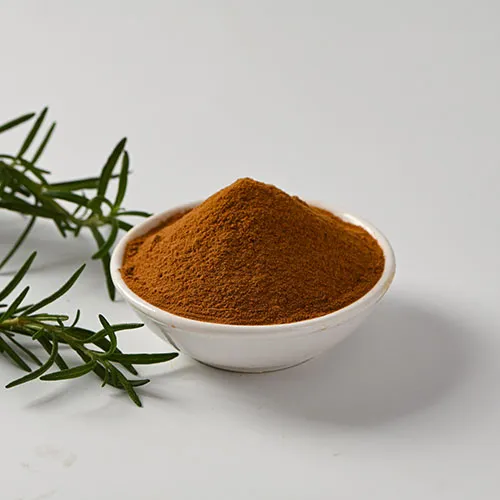
Mar-13-2026

Triterpenoids are a large and structurally diverse group of naturally occurring plant compounds. They are increasingly relevant to botanical extracts, functional ingredients, cosmetics, nutraceutical research, and animal nutrition. Rather than representing one single active ingredient, the term covers many related molecules whose properties depend on their chemical structure, botanical source, concentration, and extraction process.
For ingredient buyers and formulators, this distinction matters. Two botanical extracts may both contain triterpenoids but differ considerably in their dominant compounds, analytical profile, purity, solubility, and suitability for a particular formulation. Understanding what lies behind a “triterpenoid-rich” ingredient therefore helps buyers evaluate botanical materials more accurately.
Triterpenoids are generally derived from 30-carbon terpene structures produced through plant biosynthetic pathways. Many naturally occurring triterpenoids contain additional oxygen-containing functional groups, which create a wide variety of acids, alcohols, aldehydes, glycosides, and other derivatives.
Among the best-known groups are pentacyclic triterpenoids, including ursolic acid, oleanolic acid, betulinic acid, maslinic acid, and asiatic acid. These compounds occur naturally in leaves, fruit peels, bark, herbs, and other plant tissues. Scientific literature describes pentacyclic triterpenes as widely distributed secondary plant metabolites, particularly in fruit surfaces, leaves, and stem bark.
One relevant example for botanical ingredient development is ursolic acid, a pentacyclic triterpenoid found in rosemary as well as several fruits and medicinal plants. Research has examined ursolic acid for antioxidant, inflammatory-response, metabolic, and other biological pathways, although the relevance of these activities depends on formulation, dosage, bioavailability, and intended use.
For Geneham, rosemary provides a practical botanical source for standardized ursolic acid and triterpene-acid ingredients.
The name of an active compound does not tell the entire story of a botanical extract. The final triterpenoid profile can be influenced by several variables before extraction even begins.
These include:
Plant species and variety
Growing environment
Harvest maturity
Plant part used
Raw-material storage
Extraction solvent and temperature
Concentration and purification method
The importance of these factors is also visible in other triterpenoid-rich natural materials. Research and commercial observations involving Ganoderma lucidum, for example, show that cultivation substrate and growth method can substantially influence triterpene composition. Log-grown fruiting bodies, bag cultivation, and submerged fermentation do not necessarily produce identical profiles, even when the same mushroom species is involved.
This principle applies broadly to botanical extract powder sourcing: buyers should evaluate the standardized active-compound specification rather than relying only on the plant name.
Extraction also matters. Chemical standardization studies of botanical materials have long emphasized that sample preparation, extraction conditions, and analytical techniques can influence both recovery of marker compounds and batch-to-batch evaluation.
Ursolic acid is particularly relevant when discussing plant-derived triterpenoids because it is naturally present in rosemary and has a well-established analytical identity.
Structurally, ursolic acid belongs to the ursane-type pentacyclic triterpenoids. It occurs naturally in many plants, including rosemary, apples, cranberries, basil, and olives.
For commercial formulation, however, simply stating that an extract “contains ursolic acid” is not enough. Concentration is important.
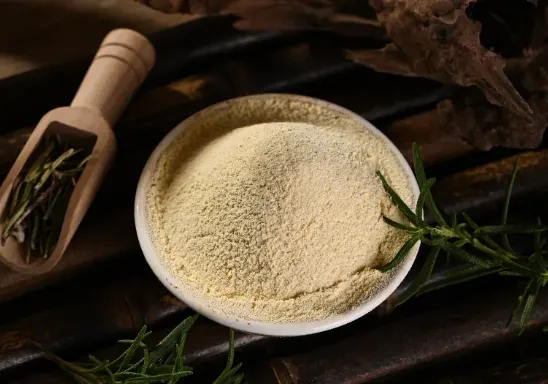
Geneham supplies rosemary-derived ursolic acid powder in different standardized purity grades, including 20%, 50%, and 98%, allowing buyers to select a specification according to the requirements of their application. The material is supplied as a powder, with specifications and packaging that can be adapted for different development and production stages.
This type of standardization is particularly useful when moving from laboratory formulation to pilot production and eventually to commercial-scale manufacturing.
Interest in triterpenoids spans several industries because different members of this chemical family have different functional properties.
Pentacyclic triterpenoids such as ursolic acid and asiatic acid have been widely investigated in nutritional and biomedical research. Research areas include antioxidant activity, inflammatory pathways, metabolic function, and cellular signaling.
For commercial formulations, however, ingredient selection should be based on permitted applications and claims in the target market rather than research findings alone.
Some triterpenoids are used or investigated in skincare formulations. Asiatic acid, for example, is a triterpenoid associated with Centella asiatica and is frequently studied in connection with skin-barrier support, collagen-related pathways, and soothing formulations.
Ursolic acid is another botanical triterpenoid relevant to cosmetic and personal-care development.
Plant-derived triterpene acids are also being explored as phytogenic feed ingredients.
Geneham's triterpene acids are derived from rosemary and developed for animal-nutrition applications. The ingredient system contains ursolic acid and related triterpenoids and is positioned for applications involving antioxidant capacity, intestinal support, metabolic management, and feed efficiency.
This gives rosemary-derived triterpenoids a different commercial positioning from single-compound, high-purity materials used primarily in cosmetic or nutraceutical development.
For B2B procurement, the percentage printed on a specification sheet should not be the only evaluation criterion.
A more complete supplier assessment should include several points.
Botanical identity: Confirm the plant species and plant part used as the raw material.
Active-compound specification: Determine whether the product is standardized to total triterpenoids, total triterpene acids, or a specific marker such as ursolic acid.
Analytical method: High-performance liquid chromatography and related chromatographic methods are commonly used to identify and quantify botanical marker compounds.
Batch consistency: Compare COAs from different production lots rather than reviewing only one representative specification.
Contaminant testing: Heavy metals, microorganisms, solvent residues, and other relevant parameters should be evaluated according to the intended application and market.
Application requirements: A concentrated single compound and a broader botanical triterpene complex may serve very different formulation objectives.
This is why ingredient sourcing should start with the target formulation rather than simply selecting the highest available assay.
Triterpenoids represent a broad chemical family, and their commercial value depends on much more than their natural origin. Botanical source, growth conditions, extraction technology, compound profile, analytical standardization, and intended application all influence how an ingredient should be evaluated.
For formulators working with rosemary-derived ingredients, ursolic acid provides a well-defined pentacyclic triterpenoid option, while rosemary-derived triterpene acid complexes provide another route for animal-nutrition applications.
Geneham combines botanical raw-material control, extraction technology, analytical testing, and application support to provide standardized plant-derived ingredients for different development requirements. Buyers evaluating triterpenoid ingredients can request specifications, technical documentation, samples, and application support according to their target product.
The terms are sometimes used interchangeably, but technically triterpenoids usually refer to oxygenated or otherwise modified derivatives of triterpene structures. In commercial botanical extracts, terminology may also depend on the analytical specification used.
Yes. Ursolic acid is a naturally occurring pentacyclic triterpenoid with an ursane-type structure. It occurs in rosemary and many other plant species.
No. The profile depends on plant species, plant part, growing conditions, maturity, processing, and extraction method. Even materials derived from the same species may show different active-compound profiles.
“Total triterpenoids” generally refers to a broader group of related compounds, whereas a standardized ursolic acid ingredient is produced and tested against a defined ursolic acid concentration. The better option depends on the intended formulation and required specification.
Buyers should review botanical identity, active-compound assay, analytical methods, batch consistency, contaminant testing, certifications, technical documentation, and the supplier's ability to support application-specific specifications.