English

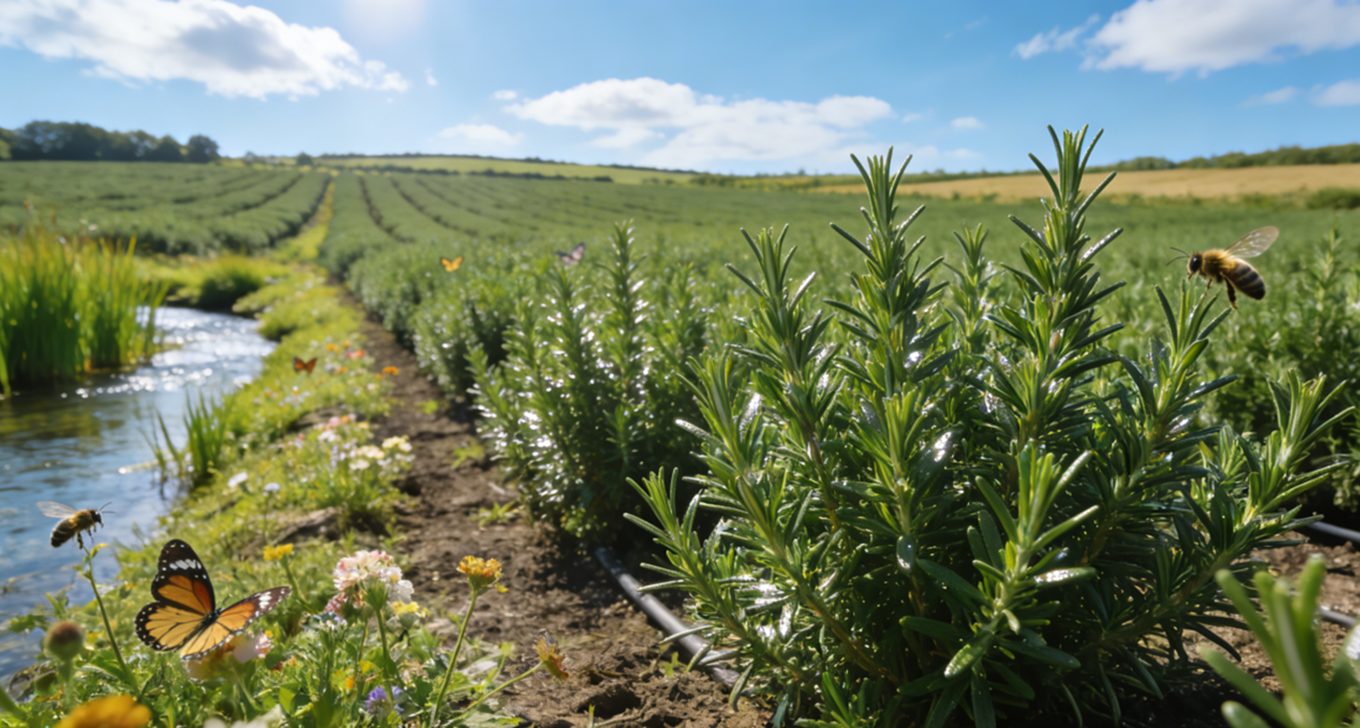
At Geneham, sustainability is embedded in every step of our rosemary journey—from soil to extract. On our owned farms, we implement regenerative practices such as organic soil enrichment, rainwater harvesting, and biodiversity conservation, while minimizing chemical use and achieving zero agricultural waste. Through our exclusive cooperative model, we also partner closely with local communities, ensuring fair labor practices and stable livelihoods. Coupled with energy-efficient, low-waste extraction technologies, this integrated approach guarantees not only the purity and potency of our extracts but also fosters resilient ecosystems and thriving communities for generations to come.
Use organic fertilizer as base fertilizer to improve soil organic matter content.
Adopt manual weeding and weed control fabric mulching to significantly reduce herbicide use.
Reduced tillage protection: Rosemary is a perennial crop that can be harvested for 5 years with a single planting;combined with terrace farming, it reduces soil disturbance and erosion.
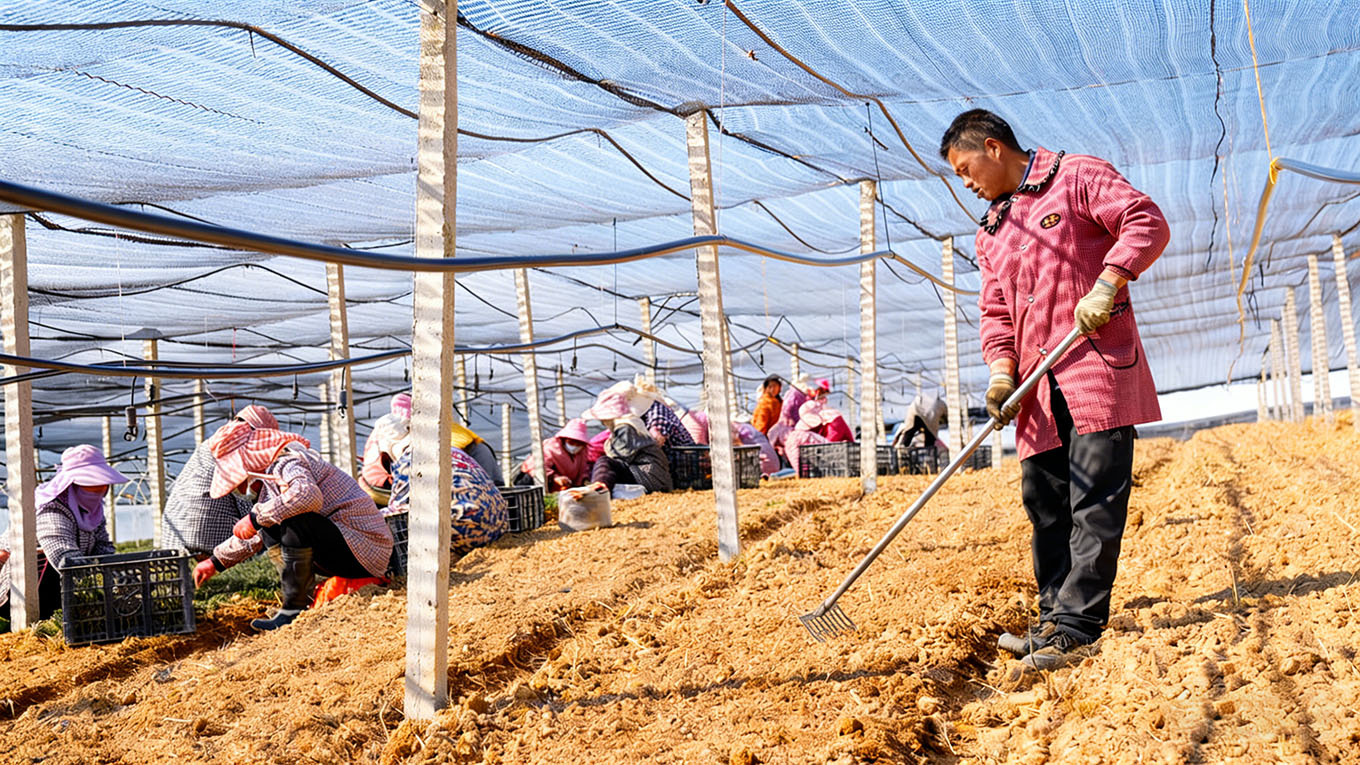
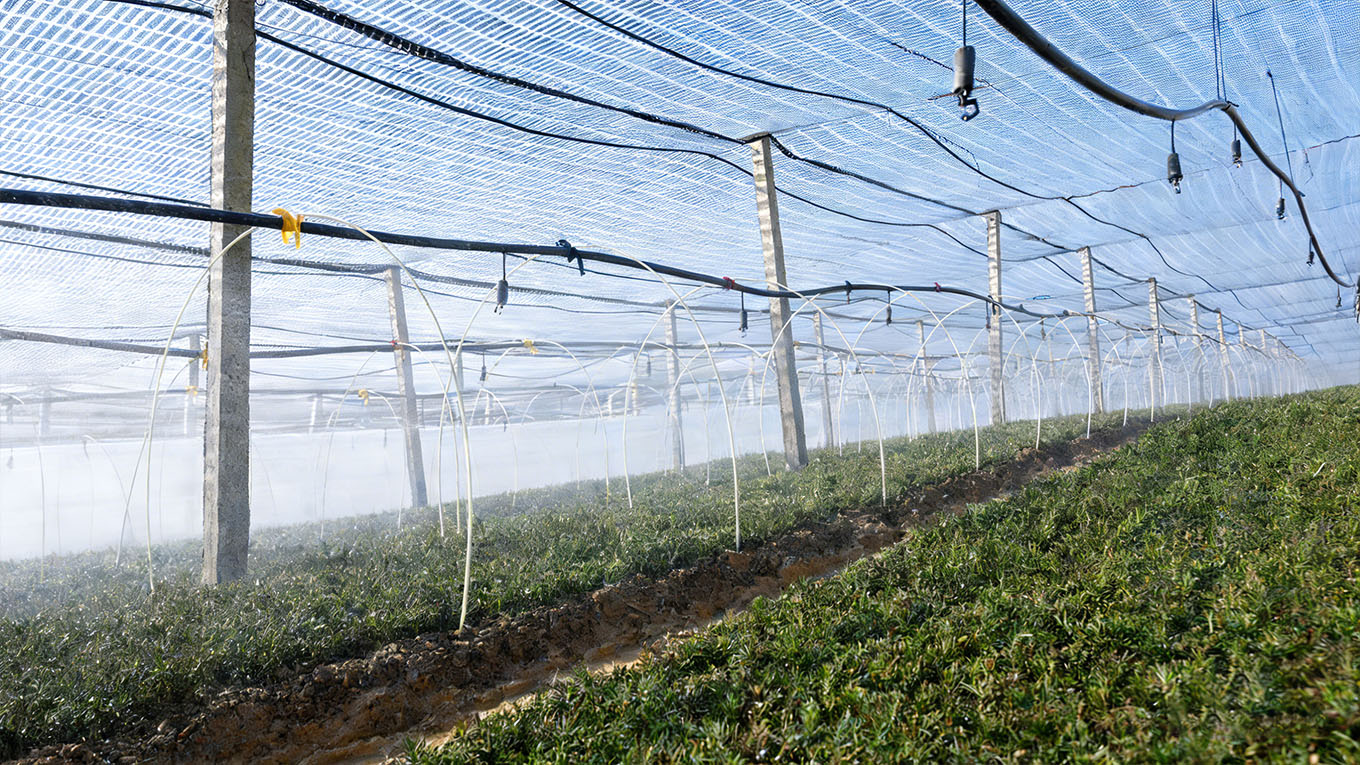
Construct artificial reservoirs to collect rainwater and optimize rainwater utilization. Adopt drip irrigation in high-yield areas to ensure water supply.
Use ridge forming, furrowing and plastic mulching to improve water retention capacity and drainage efficiency.
Intercropping between fields reduces the ecological disturbance caused by intensive cultivation.
Build field ridges and ditches to form ecological buffer zones and protect the surrounding environment.
Prioritize non-chemical methods such as weed control fabric and manual weeding.
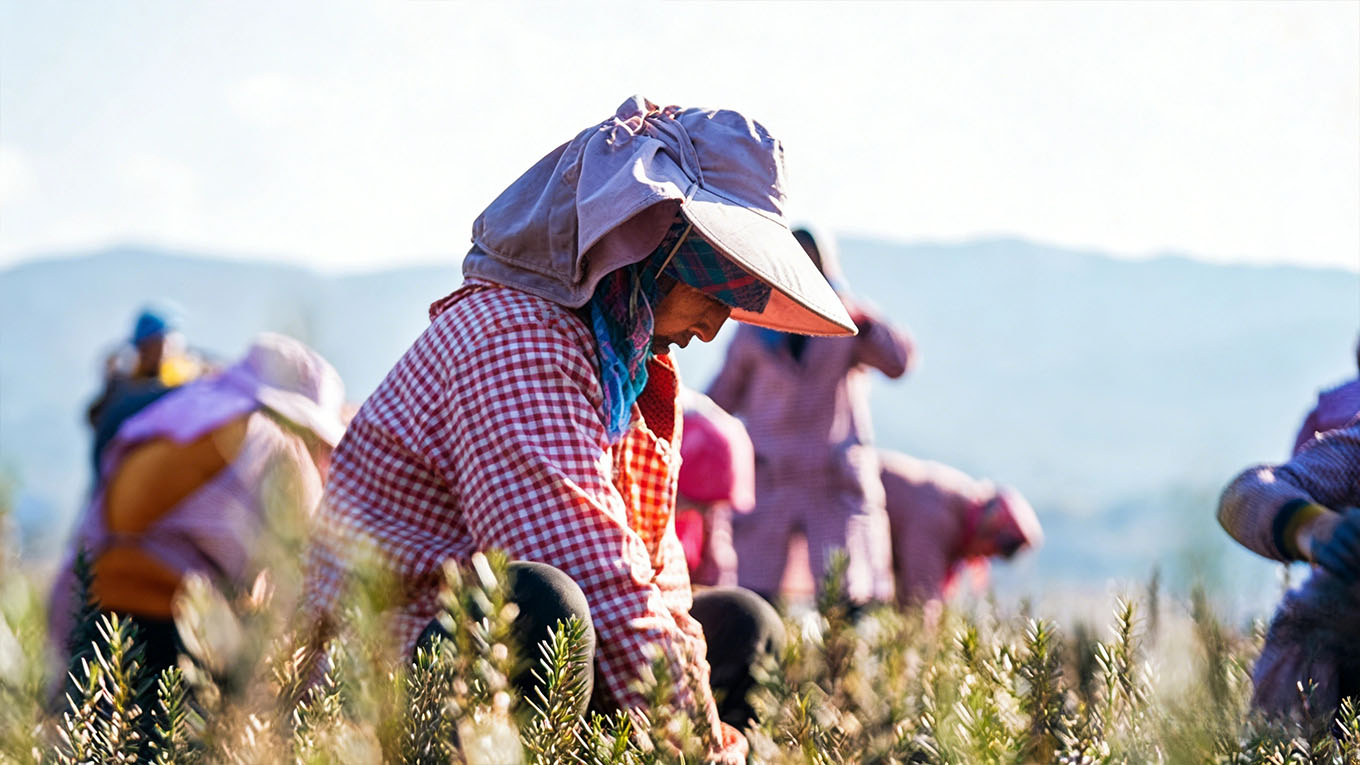
Crush straw and residues for use as aquaculture feed or ruminant feed, achieving zero waste and avoiding landfill disposal.
Maintain amicable relations with surrounding farmers, with no history of land or environmental disputes arising.
Lease land from local farmers or village collectives, employ local farmers for cultivation, and provide them with relevant technical guidance to increase their income.
The local village committees or township government is responsible for communication and mediation, establishing an effective community communication mechanism.
All workers (including temporary workers) sign legal contracts and enjoy equal working conditions and training opportunities.
Provide pre-job training and safety protection equipment, and strictly prohibit child labor and forced labor.
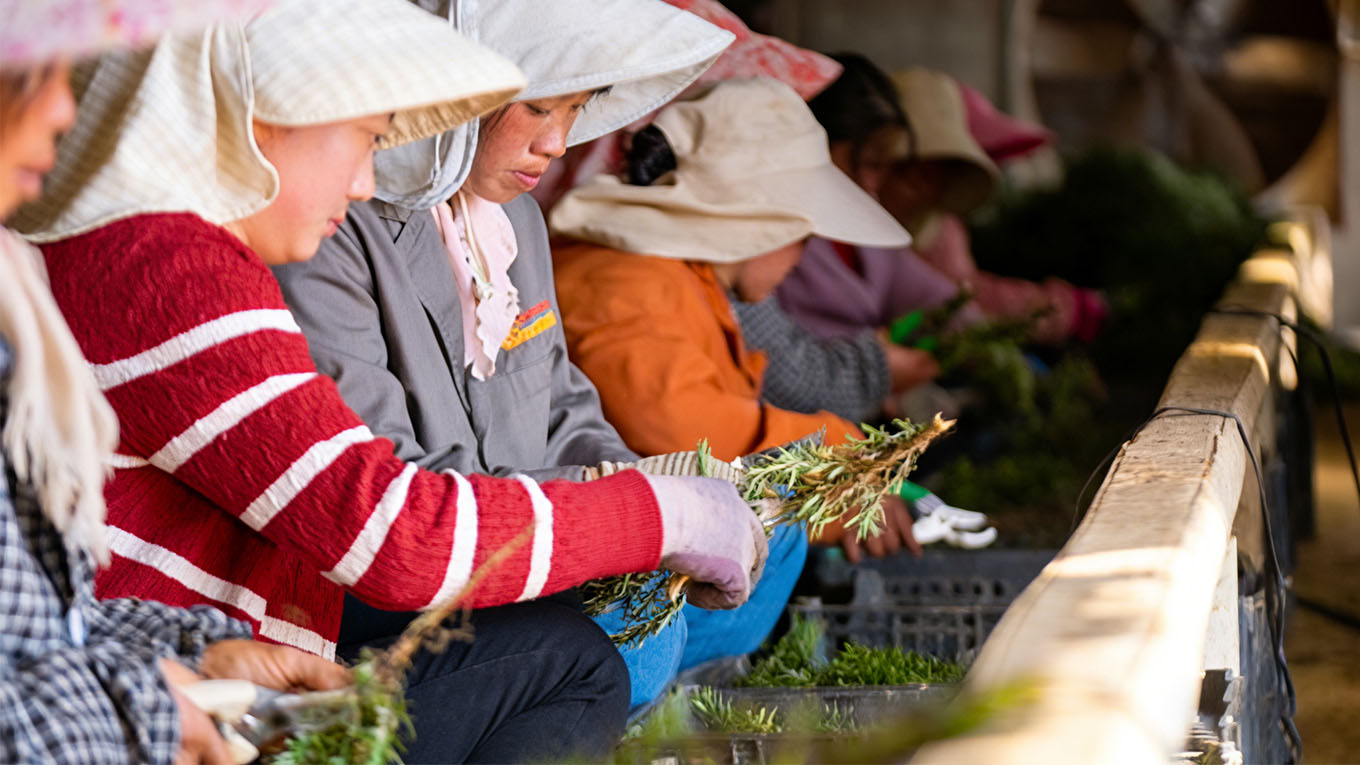
Sign product purchase contracts with agricultural companies, specifying quality standards, prices, and quantities to ensure stable sales channels.
Partner with specialized companies (e.g., Chongqing Guoguang) to provide comprehensive technical guidance, fertilizer, and plant protection solutions, improving raw material quality and consistency.
As a high-value-added crop, rosemary generates higher economic benefits than traditional crops (e.g., corn and sorghum).
Enhance the long-term viability of the farm by controlling costs and increasing output and improving quality.