English
  한국어
한국어  français
  Deutsch
  Español
  português
  العربية
Buying bulk botanical extracts is different from ordering a small laboratory sample. Once an ingredient enters commercial production, buyers must consider not only whether the extract meets a target assay, but also whether the same specification can be reproduced across future batches, supported by appropriate documentation, and supplied at the volume required by the formulation.
For supplement, functional food, cosmetic, feed, and ingredient-distribution companies, the most effective sourcing process therefore begins before a purchase order is issued. A botanical extract should first be defined technically, tested in the intended application, and evaluated for long-term supply suitability.
A botanical name alone is rarely enough to define a commercial ingredient.
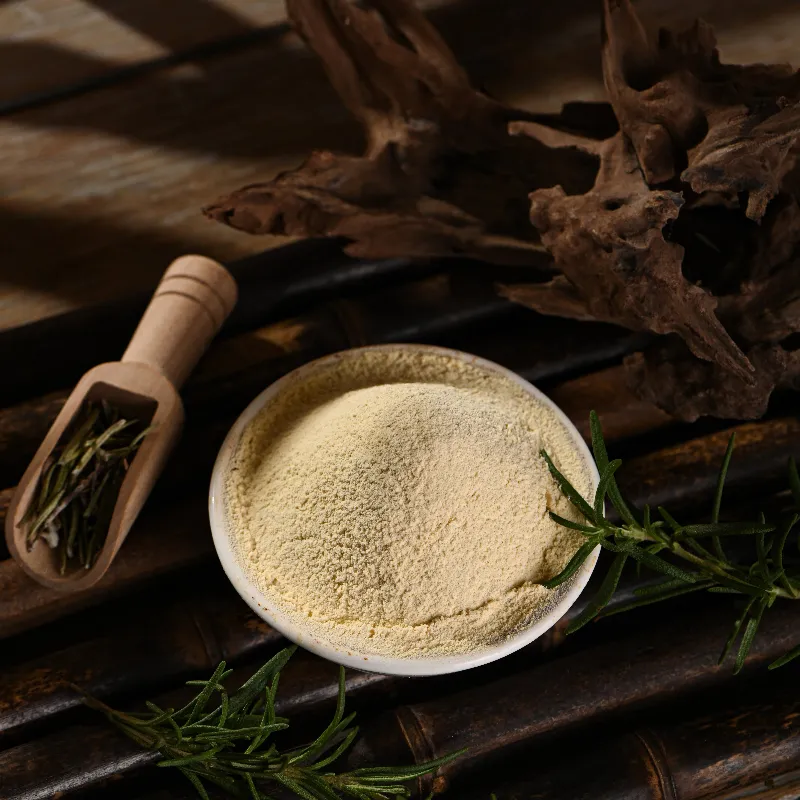
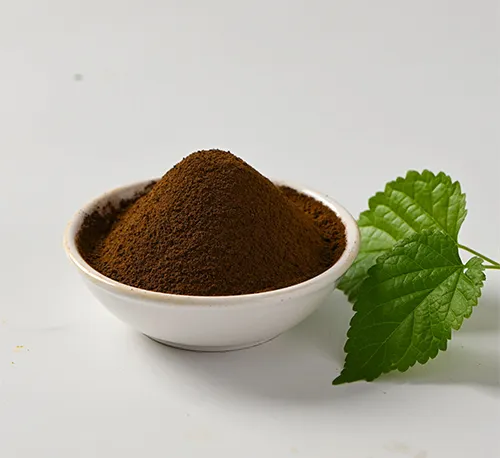
Two products labeled “rosemary extract,” for example, may contain different levels of carnosic acid, rosmarinic acid, ursolic acid, or other components. Likewise, mulberry leaf extract may be sold as a general extract or standardized according to DNJ content.
For B2B buyers, a specification should answer at least four questions:
Which botanical species and plant part are used?
Which active or marker compound is standardized?
What percentage or specification range is required?
Which analytical method is used to verify that specification?
The assay method is especially important. A figure such as “10% active compound” has limited value unless buyers also know how the compound was measured. Supplier-evaluation guidance commonly recommends confirming both the marker compound and the analytical method, such as HPLC or UV, rather than relying only on an extraction ratio or product name.
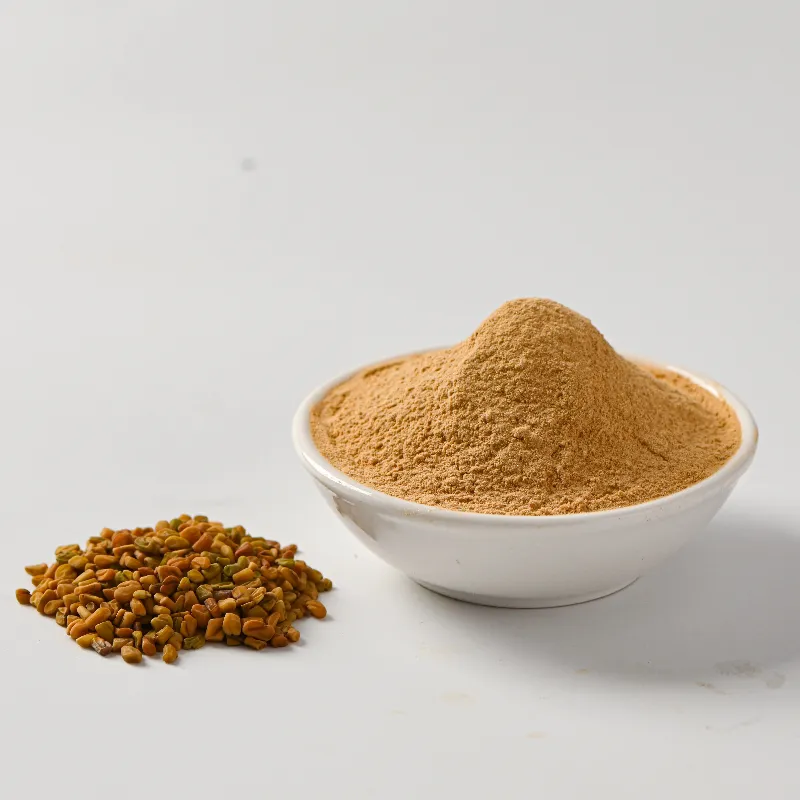
Geneham's botanical extract portfolio illustrates this distinction. Its rosemary line includes different standardized compounds, while its mulberry leaf products are associated with DNJ standardization and its fenugreek extracts include saponin-related ingredients. Buyers should confirm the exact specification and test method for the product under consideration.
Samples are essential, but they should be treated as the beginning of supplier qualification rather than proof that every future batch will perform the same way.
A sample can help a formulation team evaluate:
Color and appearance
Odor and taste
Solubility or dispersibility
Powder flow
Compatibility with other ingredients
Stability during processing
Impact on the finished product
The approved sample should also be tied to a clear technical specification.
This becomes particularly important when scaling from a few hundred grams to tens or hundreds of kilograms. A sample that works well in a capsule may behave differently when incorporated into a beverage powder, emulsion, tablet, or large-scale blending process.
For this reason, buyers sourcing bulk botanical extracts should test ingredients under conditions that reflect the intended commercial application whenever possible.
Competitor procurement guidance also emphasizes testing samples before committing to bulk quantities and checking whether the tested sample corresponds to the specification and documentation that will apply to the commercial order.
Price per kilogram is easy to compare. Batch consistency is harder to measure, but often more important.
If a botanical extract changes significantly between production lots, manufacturers may have to adjust formulation parameters, color targets, flavor masking, processing conditions, or dosage calculations.
This is why buyers should ask how a supplier controls variation in:
Raw material identity
Active-compound content
Moisture
Particle size
Color
Microbiology
Heavy metals
Residual solvents where applicable
Batch-specific documentation is valuable because it allows buyers to compare actual lots rather than relying on a generic product specification.
A useful certificate of analysis
COA should correspond to the batch being purchased and should be reviewed together with the relevant specification sheet or technical data. Supplier qualification guidance also recommends requesting documents such as COA, TDS and SDS where appropriate, along with contaminant and active-content testing.
Geneham states that its botanical extracts undergo quality control for active-compound consistency and that its facilities conduct testing before delivery.
Large-volume purchasing increases exposure to raw-material variability.
Botanical ingredients are agricultural materials, so harvest timing, growing environment, storage, plant part, and initial raw-material quality can affect the extract entering production.
Before extraction begins, ask the supplier:
Is the botanical species verified?
Is the plant part clearly defined?
Where is the raw material sourced?
How is incoming material inspected?
Can the supplier trace a finished batch back to raw-material records?
Geneham states that it works with cultivation resources and production bases and emphasizes raw-material control as part of its botanical-extract operation.
Traceability is particularly important for long-term supply programs because commercial buyers are not purchasing one isolated batch. They are purchasing the expectation that future lots can continue meeting the same agreed specification.
There is no universally “best” botanical extract grade. The right specification depends on what the manufacturer intends to produce.
For example:
| Application | Typical Buyer Priorities |
|---|---|
| Dietary supplements | Active assay, flowability, dosage flexibility, documentation |
| Functional foods | Flavor, color, dispersibility, processing stability |
| Cosmetics | Solubility, color, odor, formulation compatibility |
| Animal nutrition | Bulk consistency, handling, stability and cost efficiency |
| Ingredient distribution | Documentation, packaging, shelf life and repeat supply |
This is why the highest assay is not automatically the best commercial choice.
A highly concentrated extract may reduce inclusion rate but increase ingredient cost or introduce formulation challenges. A lower standardized grade may be more suitable when the finished product requires easier processing or a different cost structure.
Geneham's rosemary portfolio, for example, includes multiple compound-focused ingredients rather than treating rosemary extract as one standardized product. Its ursolic acid product is available in different purity grades, illustrating how specification can be matched to different formulation requirements.
Technical approval is only part of the sourcing decision.
Before moving into commercial production, purchasing teams should also confirm:
Minimum order quantity (MOQ)
Packaging format
Production lead time
Available annual capacity
Sample-to-bulk consistency
Storage requirements
Shelf life
Shipping terms
Required export documentation
Ability to support repeat orders
These points can become critical once a formulation is launched.
A supplier may produce an excellent sample but still be unsuitable if lead times are unpredictable or commercial volumes cannot be maintained. Supplier-evaluation frameworks therefore commonly include MOQ, lead time, production capability and responsiveness as part of qualification.
Geneham reports two extraction workshops for botanical ingredients and positions its rosemary, fenugreek and mulberry product lines for bulk supply.
A clear request for quotation (RFQ) can significantly shorten the sourcing process.
Instead of sending only a product name, include:
Required Botanical extract
Botanical source or plant part, if specified
Target active compound
Required assay
Preferred analytical method
Intended application
Estimated order quantity
Packaging requirements
Target market
Required certificates or quality documents
Sample requirement
Expected delivery schedule
This gives both the procurement team and the botanical extract manufacturer a clearer basis for technical and commercial evaluation.
It also reduces one of the most common problems in botanical sourcing: comparing quotations that are not actually based on equivalent products.
Successful sourcing of bulk botanical extracts depends on more than finding a supplier with an attractive price.
The purchasing process should connect botanical identity, active-compound standardization, testing method, sample performance, batch documentation, traceability, production capacity, and commercial terms.
For buyers working with rosemary, fenugreek, or mulberry-derived ingredients, Geneham provides standardized botanical extract options for different formulation and manufacturing requirements. Its product portfolio includes rosemary extracts with defined active components, fenugreek-based standardized ingredients, and DNJ-focused mulberry leaf extracts.
Before confirming a bulk order, buyers can request specifications, quality documentation and samples, then evaluate the material under actual formulation conditions. This approach helps reduce sourcing risk while creating a clearer path from ingredient qualification to repeat commercial production.
Bulk botanical extracts are concentrated plant-derived ingredients purchased in commercial quantities for use in supplements, foods, cosmetics, animal nutrition, and other manufactured products.
Buyers should review botanical identity, plant part, active compound, assay method, COA, contaminant testing, batch consistency, MOQ, lead time, packaging, and supply capacity.
The assay method identifies how the standardized active content was measured. Two extracts showing the same percentage may not be directly comparable if different analytical methods or marker compounds were used.
Yes. Sample testing helps confirm appearance, solubility, flavor, processing compatibility, and active-content suitability before the ingredient is introduced into commercial production.
No. The best grade depends on dosage, application, processing requirements, cost target, and formulation design. Higher purity may be useful in some applications, while standardized lower concentrations may be more practical in others.
An RFQ should ideally include the ingredient name, target assay, analytical method, intended application, order quantity, destination market, packaging requirements, certifications, and required documents.