English
  한국어
한국어  français
  Deutsch
  Español
  português
  العربية
Mar-13-2026

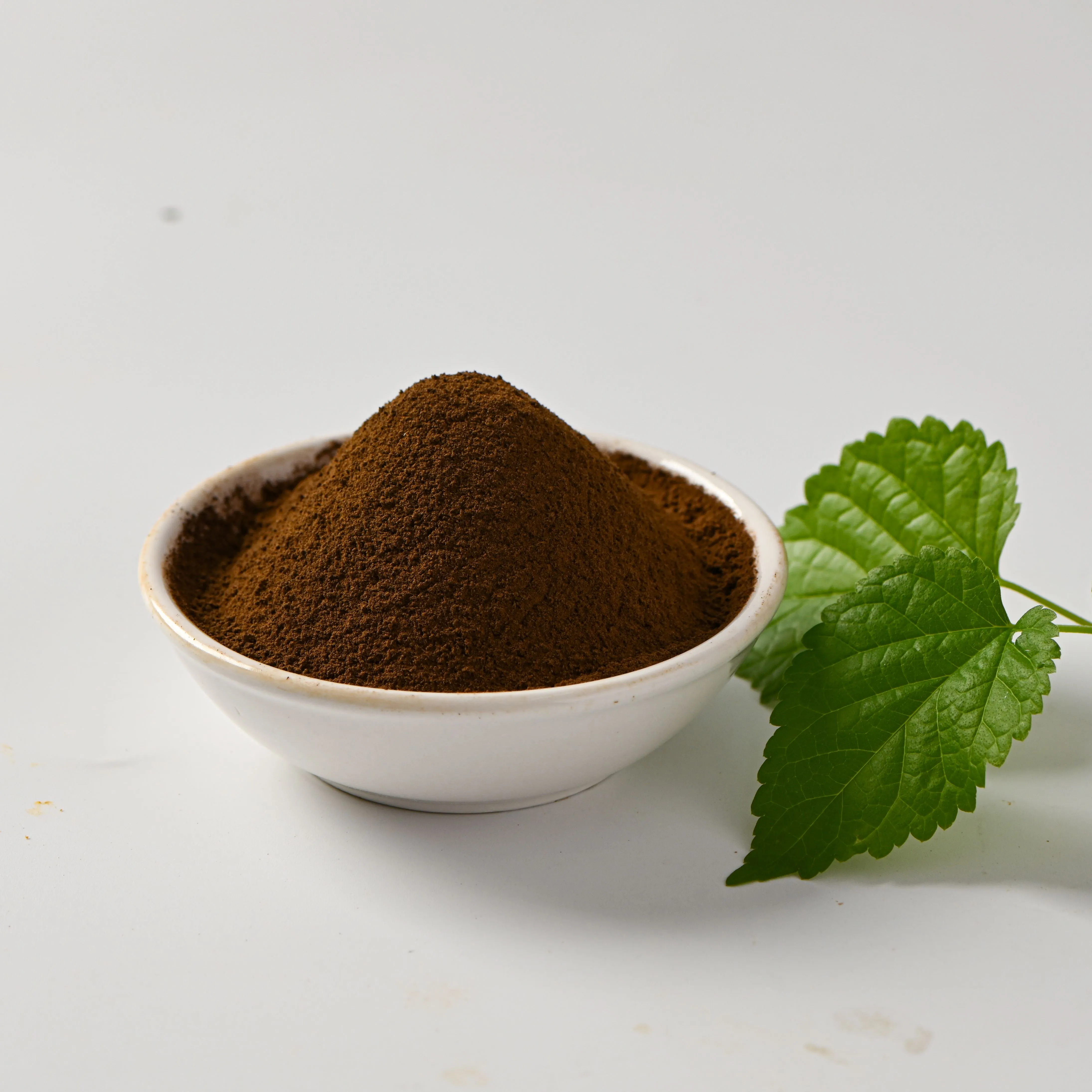
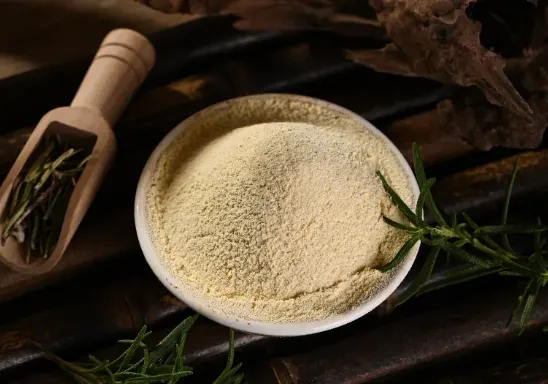
Mulberry leaf extract is a botanical ingredient made from the leaves of Morus alba L.(white mulberry)It is commonly used in dietary supplements, functional food companies and other plant-based formulations, it is not only a traditional plant extract but also a standardized functional ingredient valued for its DNJ content.
DNJ, or 1-Deoxynojirimycin, is one of the most important active markers in mulberry leaves. In B2B ingredient sourcing, DNJ standardization helps buyers compare product strength, evaluate batch consistency and select the right grade for different formulation goals.
With growing demand for standardized botanical ingredients,mulberry leaf extract has become increasingly relevant for global supplement and functional food manufacturers. Product options may include standardized extract powder and extracts with higher DNJ levels. Understanding these differences can help buyers make more informed sourcing decisions based on formulation goals, target dosage forms and specification requirements.
Geneham supplies botanical extract ingredients for supplement, food and wellness applications, helping buyers evaluate specifications, quality documents and suitable applications before bulk supply
Mulberry leaf extract is produced by extracting active compounds from white mulberry leaves and concentrating them into powder form. Compared with mulberry leaf powder, extract powder is usually more suitable for supplement and functional food applications because it can be standardized for selected active markers such as DNJ.
For B2B buyers, the key point is not simply whether the ingredient is “mulberry.” The more important question is whether the product has clear specification control. A high-quality white mulberry leaf extract should clearly define its botanical source, plant part used, active marker, testing method, appearance, solubility, application direction and available quality documents.
In the market, similar products may be labeled as white mulberry extract, organic mulberry extract, mulberry leaf extract powder or DNJ-standardized mulberry leaf extract. These terms may reflect differences in raw material type, processing method, certification status and specification level.
For example, a general mulberry extract may be used for broad botanical positioning, while DNJ-standardized extract is more suitable for formulations that require active-content consistency. An organic mulberry extract may be preferred by brands targeting clean-label or organic-positioned products, while wholesale mulberry leaf extract powder is more relevant for manufacturers, distributors and contract production companies that need stable bulk supply.
For this reason, supplier selection should not be based on product name or price alone.Buyers should review the specification sheet, DNJ content, testing method, quality documents and application suitability before placing a bulk order.
DNJ standardization is one of the most important evaluation points for mulberry leaf extract buyers. DNJ (1-Deoxynojirimycin) is a naturally occurring marker compound found in mulberry leaves. In commercial extract products, DNJ is often used as a marker compound to define product strength and batch consistency.
Without standardization, two products both called white mulberry extract may have very different DNJ levels. This can create problems for supplement brands and OEM manufacturers because ingredient strength, dosage design, label positioning and formulation cost may all be affected.
Different DNJ specifications may be selected according to formulation target, dosage form, inclusion level and cost expectations.
When evaluating a DNJ-standardized mulberry leaf extract, buyers typically review the following points:
DNJ percentage and specification range
Testing method, such as HPLC
Botanical source and plant part used
Extraction solvent and processing method
Batch-to-batch consistency
Heavy metal and microbiological limits
COA, SDS and specification sheet availability
Organic, Kosher, Halal or other required certifications
For procurement teams, this information is essential when comparing a mulberry leaf extract supplier or screening a mulberry leaf extract manufacturer. A supplier that can clearly explain DNJ standardization, testing methods and quality documents is usually more suitable for long-term B2B cooperation than a seller that only provides a low price.
DNJ standardization also helps brands communicate product value more clearly. Instead of simply saying “contains mulberry,” a supplement brand can position the formula around standardized botanical quality. This is especially important for overseas markets where buyers, distributors and consumers increasingly expect transparent ingredient sourcing and quality control.
The main buyers of mulberry leaf extract powder are not ordinary consumers purchasing small bottles. They are usually supplement brands, functional food manufacturers, beverage powder companies, ingredient distributors and OEM/ODM factories. These buyers focus on formulation compatibility, specification stability, documentation and bulk supply capability.
In dietary supplements, mulberry leaf extract is commonly used in capsules, tablets, granules and powder blends. Buyers may select different DNJ specifications depending on the formula concept, serving size, target price and positioning. Products with moderate specifications may suit standard formulations, while higher-standardized grades may be preferred where tighter specification control and documentation support are required.
In functional food applications, mulberry leaf extract can be used in nutrition powders, meal replacement concepts, low-sugar-positioned foods and wellness snacks. In this category, formulators usually care about solubility, taste impact, color, dosage flexibility and compatibility with other botanical ingredients.
For beverage powder applications, water dispersibility, flavor impact and processing stability are important evaluation points. A product that works well in capsules may not always be ideal for instant beverages, so application testing is important before bulk purchasing.
For OEM/ODM custom formulations, organic mulberry extract or standardized mulberry leaf extract can be combined with other botanical ingredients, vitamins, minerals or functional compounds. This makes the ingredient suitable for metabolic wellness formulas, daily health blends and plant-based supplement concepts.
For distributors and ingredient trading companies, key considerations often include available specifications, packaging options, MOQ, lead time, documentation, price consistency and supplier reliability. This is where a professional mulberry leaf extract powder manufacturers page or product document can help buyers evaluate supply suitability more efficiently.
Choosing the right mulberry leaf extract supplier requires more than comparing unit price. A low-cost product may look attractive at first, but if the DNJ content is unclear, the testing method is not reliable, or documents are incomplete, the buyer may face formulation delays, quality complaints or regulatory review issues later.
A good supplier should be able to provide clear product information, including botanical source, plant part, active marker, testing method, appearance, available specifications and application suggestions. For DNJ-standardized products, HPLC testing is especially important because it helps verify active-content consistency.
Buyers should also ask for batch documents before confirming a larger order. Common documents may include COA, SDS, specification sheet, TDS, allergen information, heavy metal testing, microbiological testing and certification documents if required. For premium or export-oriented brands, these files are not optional. They are part of the supplier evaluation process.
A reliable mulberry leaf extract manufacturer should also support sample evaluation. Before buying bulk material, brands and factories should test the sample in the intended dosage form, such as capsules, tablets, powder blends, beverage powders or functional food prototypes. This helps confirm color, taste, solubility, flowability, compatibility and production feasibility.
When sending an RFQ, buyers should include the following information:
Required product name, such as white mulberry leaf extract or DNJ-standardized extract
Target DNJ specification
Application type, such as supplement, beverage powder or functional food
Required documents, including COA, SDS and specification sheet
Estimated order quantity
Packaging preference
Destination market
Certification requirements, such as organic, Halal or Kosher
Whether a sample is required before bulk order
For Geneham, this type of buyer information helps the technical and sales team recommend a more suitable specification and provide more accurate quotation support. For customers looking for wholesale mulberry leaf extract powder, early clarification of application and documentation requirements can shorten the sourcing process and reduce unnecessary back-and-forth communication.
In short, the best supplier is not always the one with the lowest price. It is the one that can match DNJ specification, quality control, documentation, application requirements and long-term supply stability.
What is mulberry leaf extract used for?
Mulberry leaf extract is used in dietary supplements, functional foods, beverage powders and custom botanical formulations. It is commonly selected by brands developing metabolic wellness, blood sugar support and plant-based nutrition products.
What is DNJ in mulberry leaf extract?
DNJ( 1-Deoxynojirimycin) is a key active marker found in mulberry leaves. In B2B sourcing, DNJ standardization helps buyers evaluate ingredient strength, batch consistency and suitability for supplement or functional food applications.
What is the difference between mulberry leaf powder and mulberry leaf extract powder?
Mulberry leaf powder is usually made by drying and grinding the whole leaf. Mulberry leaf extract powder is produced through extraction and concentration, and it can be standardized for active markers such as DNJ. Extract powder is generally more suitable when buyers need defined specifications and consistent formulation performance.
Is white mulberry extract the same as mulberry leaf extract?
White mulberry extract usually refers to extract derived from Morus alba L., the white mulberry plant. In many B2B ingredient contexts, it may refer to white mulberry leaf extract, but buyers should still confirm the exact plant part used, such as leaf, root or fruit.
Can organic mulberry extract be used in clean-label supplements?
Yes, organic mulberry extract can be suitable for clean-label supplement and functional food concepts when supported by valid organic certification and proper documentation. Buyers should verify the certificate, certification body, scope and batch traceability before using organic claims.
What documents should buyers request before bulk purchasing?
Before purchasing wholesale mulberry leaf extract powder, buyers should request COA, SDS, specification sheet, testing method information and any required certificates. For DNJ-standardized products, buyers should also confirm the assay method, such as HPLC, and review batch consistency before placing larger orders.