English
  한국어
한국어  français
  Deutsch
  Español
  português
  العربية
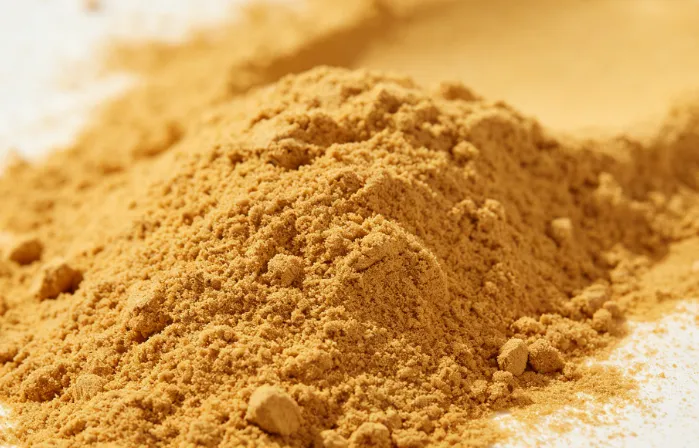
May-09-2026

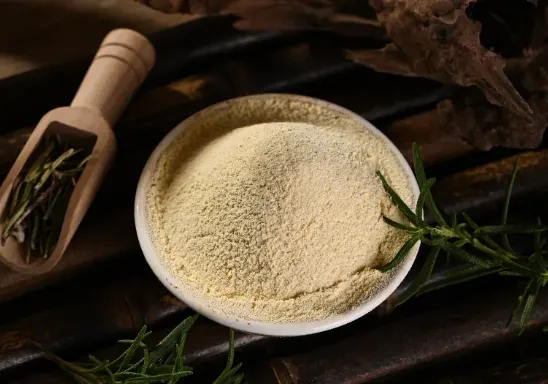
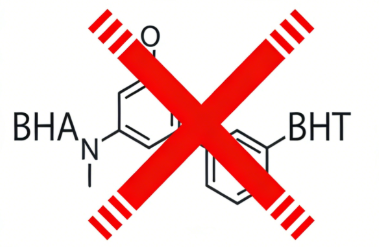
In an era where consumers are paying increasing attention to food ingredient lists, clean labels have evolved from a market trend to an industry standard. As more food enterprises seek natural alternatives to synthetic antioxidants such as BHA, BHT and TBHQ, the keyword rosemary extract as a food preservative has become a hot search for R&D professionals and procurement managers. As a botanical extract with both high-efficiency antioxidant capacity and natural origin properties, the application scenarios of rosemary extract for food are expanding from a single category of fats and oils to multiple segments including meat products, seafood and condiments. This article systematically sorts out the core value and practical applications of rosemary extract in food preservation, providing a actionable technical reference for food enterprises.
To understand why rosemary extract as a preservative is gaining popularity, we first need to look back at the predicament faced by synthetic antioxidants. While traditional chemical preservatives like BHA and BHT are highly effective in retarding lipid oxidation, consumer doubts about their safety have never ceased in recent years, and some countries and regions have even begun to restrict their scope of use. At the same time, with the rise of e-commerce logistics and cold chain costs, food enterprises’ requirements for product shelf life have not decreased but increased, which has forced formula engineers to find natural yet high-efficiency alternative solutions.
Rosemary extract for food perfectly meets the dual market expectations at this juncture. It can not only effectively scavenge free radicals and chelate metal ions, thus blocking the chain reaction of automatic lipid oxidation, but more importantly, it conforms to the globally accepted definition of clean labels. In the European and American markets, rosemary extract has been widely used as a natural antioxidant, and in China, the National Food Safety Standard for Food Additives (GB 2760) has clearly specified its maximum usage levels in various food categories. This means food enterprises can complete the natural upgrading of formulas directly through raw material replacement without changing their existing production systems.
To make the most of rosemary extract as a preservative, understanding its mechanism of action is the first step. The antioxidant capacity of rosemary extract mainly stems from its phenolic compounds such as carnosic acid, carnosol and rosmarinic acid. These active ingredients can effectively capture free radicals and interrupt the chain reaction of lipid peroxidation. Meanwhile, by binding with metal ions, they inhibit the catalytic effect of metal ions on oxidation reactions.
Notably, rosemary extract for food not only has excellent antioxidant properties but also exhibits good thermal stability. Its active ingredients will not decompose easily during high-temperature processing such as frying and baking, and can still continue to exert a protective effect. This is particularly important for high-temperature processed products such as frying oil and fried food. In addition, rosemary extract can inhibit microbial growth to a certain extent. Although its antibacterial ability is not as strong as that of chemical preservatives, when used in compound formulations, it can form a synergistic effect with other natural preservatives to further enhance the preservation effect of the system.
The performance of rosemary extract for food in this field has been fully verified. Studies have shown that adding an appropriate concentration of rosemary extract to vegetable oil can significantly slow down the rise of peroxide value and extend the shelf life of oils. In nut butters such as peanut butter and sesame paste, it can also effectively prevent oil separation and oxidation, maintaining the stable taste of products. More importantly, rosemary extract itself has a light herbal aroma, which not only does not produce off-flavors in most oil-based products but also blends well with the product flavor.

Meat products are another key application direction worthy of attention for rosemary extract for food. For sausages, ham, cured meat and frozen meat patties, lipid oxidation is one of the main factors affecting product quality. Oxidation not only leads to flavor deterioration and the production of so-called warmed-over flavor but also accelerates the oxidation of myoglobin, making the meat color dark and gray, which directly affects consumers’ purchasing intentions.
Adding rosemary extract as a preservative to meat products can play a role on multiple levels. First, it can effectively inhibit the automatic oxidation of fat and delay the production of rancid taste. Second, it has a certain color protection effect and can help maintain the bright red color of meat products. For enterprises looking to reduce nitrite usage, rosemary extract can also be used as an auxiliary ingredient to achieve the clean upgrading of formulas while ensuring the color and flavor of meat products. In practical applications, rosemary extract is usually used in combination with natural antioxidants such as vitamin E and tea polyphenols to achieve an optimal comprehensive preservation effect.
Seafood products, especially fish oil, algal oil and frozen fish fillets rich in Omega-3 fatty acids, are among the food categories with the highest oxidation risks. Although these long-chain unsaturated fatty acids are beneficial to health, they are extremely susceptible to oxidation by oxygen, light and temperature, producing fishy and bitter tastes, and in severe cases, even rendering the products inedible.
Against this backdrop, the value of rosemary extract as a preservative is further highlighted. For fish oil and DHA algal oil, rosemary extract can effectively protect fragile unsaturated fatty acids, delay the formation of peroxides, and to a certain extent mask the inherent fishy taste of fish oil. For frozen fish fillets and aquatic products, it can also inhibit oxidative deterioration after thawing, helping enterprises extend the shelf life and sales radius of products without relying on chemical additives.
Condiments and sauces are among the food categories with the most complex formula systems. Products such as mayonnaise, salad dressing, compound seasoning sauce and bouillon cubes often contain water, oil, protein and carbohydrates at the same time, with diverse oxidation pathways and great preservation difficulties. In such cases, a single preservative is often insufficient, and multiple ingredients are required to work together.
The application of rosemary extract for food in this category of products is more reflected in the synergistic enhancement with other natural preservatives. For example, the antioxidant capacity of rosemary extract can be significantly improved when used in combination with vitamin E; when combined with antibacterial ingredients such as nisin, it can both inhibit oxidation and control microorganisms. In addition, due to the rich flavor of condiments themselves, the herbal aroma of rosemary is more easily masked or blended, without negatively affecting the sensory quality of the final product.
Despite the obvious advantages of rosemary extract as a preservative, correct selection and addition methods are equally crucial to maximize its efficacy in actual production. First of all, food enterprises need to select the appropriate dosage form according to the matrix characteristics of the product. For products with high oil content, oil-soluble rosemary extract should be selected; for aqueous systems or occasions requiring uniform dispersion, water-soluble or emulsified specifications are needed.
The timing of addition also affects the final effect of rosemary extract for food. For oils and fats, rosemary extract is best added during the cooling stage of the refining process to ensure its uniform distribution and activity retention in the oil. For meat products, it should be added during the pickling or chopping process to make it fully mixed with the meat filling. The determination of the addition amount needs to be comprehensively considered in combination with the product type, expected shelf life and regulatory limits. Generally, an addition range of 200 ppm to 1000 ppm can meet the needs of most applications. In addition, enterprises should also avoid adding an excessively high amount to prevent the inherent bitterness or herbal taste of rosemary from interfering with the product flavor.
For food enterprises with export business or cross-border operation needs, it is essential to understand the regulatory requirements for rosemary extract for food in different markets. In China, the use of rosemary extract must comply with the provisions of GB 2760, with corresponding maximum usage limits for different food categories. In the United States, the generally recognized as safe (GRAS) status of rosemary extract provides convenience for its wide application. In the European Union, the European Food Safety Authority (EFSA) has also clearly specified its scope of use and limits.
When purchasing rosemary extract as a preservative, enterprises must require suppliers to provide complete compliance certificates, test reports and relevant certifications. This not only helps ensure that the products meet the access requirements of the target market but also serves as a strong guarantee for coping with customer factory audits and regulatory inspections. Choosing a rosemary extract supplier with large-scale production capacity, a sound quality control system and global certification qualifications is a key step for food enterprises to successfully implement natural preservation solutions.
From fats and oils to meat products, and from seafood to condiments, the application boundary of rosemary extract as a food preservative is constantly expanding. It can not only help food enterprises respond to the consumer trend of clean labels but also prove its antioxidant capacity comparable to that of traditional chemical preservatives in practical effects. For food manufacturers looking for natural preservation solutions, a comprehensive understanding of the performance characteristics, application methods and compliance requirements of rosemary extract for food will be an unavoidable lesson in the process of product upgrading and formula optimization.
Related Product Recommendation: | ||
| Triterpene Acids | Fenugreek Total Saponins | Mulberry Extract Powder |
| Organic Fenugreek Extract | Rosemary Ursolic Acid | Wholesale Rosemary Oil |